
Introduction to Making Tax Digital (MTD)
Making Tax Digital (MTD) is HMRC’s plan to move the UK tax system fully online. It’s been in the works since 2015, with MTD for VAT introduced in 2019 and expanded in 2022. The next big step arrives in April 2026, when MTD will apply to Income Tax. After years of delays, HMRC is now contacting taxpayers directly to outline how the new rules will work.
Here’s how HMRC explains it:
“Making Tax Digital places UK businesses on a digital footing, preparing them for the future and giving them tools to succeed in an increasingly competitive landscape. It provides businesses with a modern, digital service when managing their tax affairs, supported by a wide range of commercial software.”
Who Will Be Affected by MTD?
The rollout of MTD for Income Tax will happen in stages. It applies to sole traders and landlords who earn over certain income thresholds.
Important: The threshold is based on gross income (before expenses), not profits. If you are both self-employed and a landlord, your combined income counts.
From April 2026 – Gross income over £50,000
From April 2027 – Gross income over £30,000
From April 2028 – Gross income over £20,000
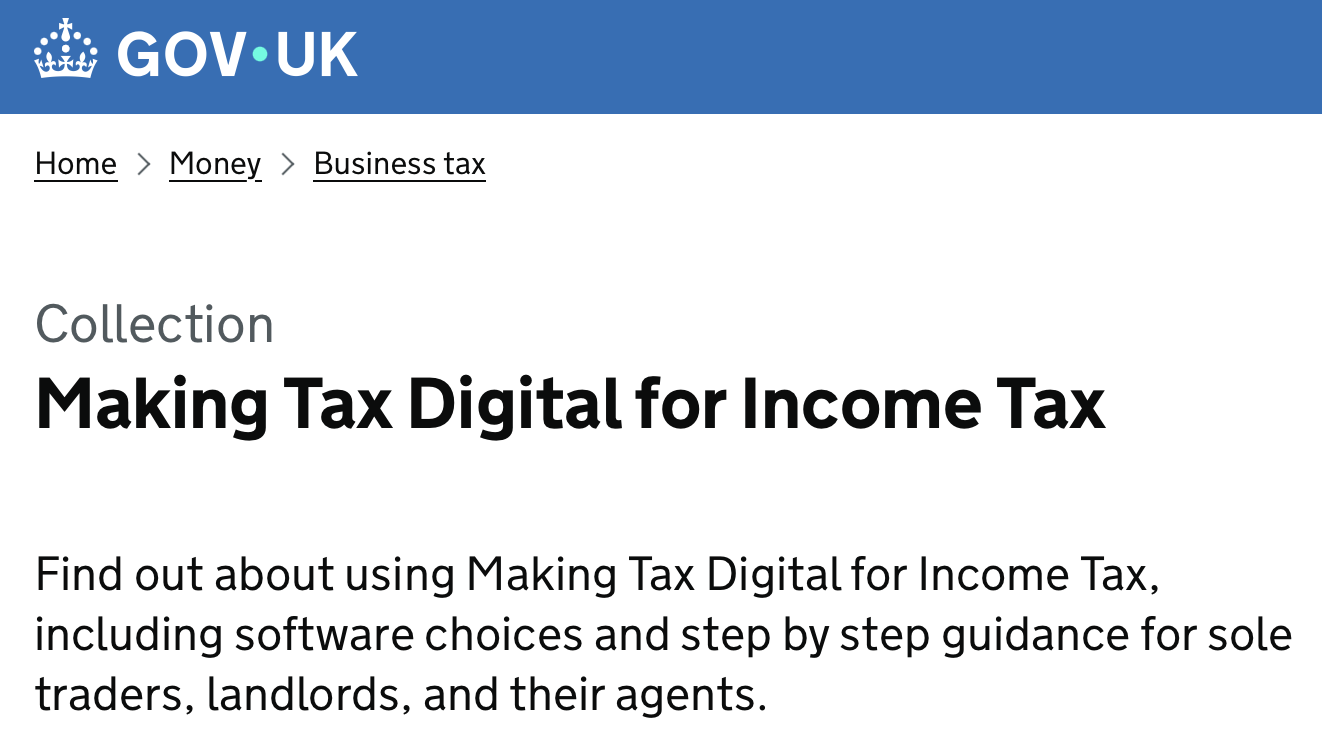
The GOV.UK site contains comprehensive information on MTD.
But it can be confusing - a good accountant, such as Shaw & Co, can help you understand these changes and remain compliant.
What Will Change?
If you’re affected, you’ll need to:
Keep digital records of income and expenses (paper records will no longer qualify).
Submit quarterly updates using MTD-compliant software.
Meet strict reporting deadlines – updates must be submitted by the 7th of the month after each quarter ends.
Quarterly deadlines for the first year:
Q1: 06/04/26 – 05/07/26 → Report by 07/08/26
Q2: 06/07/26 – 05/10/26 → Report by 07/11/26
Q3: 06/10/26 – 05/01/27 → Report by 07/02/27
Q4: 06/01/27 – 05/04/27 → Report by 07/05/27
Note: Quarterly reports don’t create a tax bill. You’ll still complete your annual Self Assessment, with tax due by 31st January as usual.
What Are the Benefits?
Many see MTD as extra admin - but it can actually help with:
Better financial visibility with up-to-date figures throughout the year.
Opportunities for tax planning instead of waiting until year-end.
Useful reports for lenders or financing applications.
Preparing for MTD
Businesses and self-employed individuals can prepare by:
Choosing an MTD-compatible accounting software.
Ensuring all records are digitally stored, including receipts and invoices.
Familiarising yourselves with quarterly reporting requirements.
Consider getting advice from Shaw & Co to ensure compliance and efficiency.
Next Steps
Not sure how MTD might affect you? The rules can feel complicated, especially if you have multiple income sources.
Contact Shaw & Co today on 01603 975976 to discuss your situation.
We’ll guide you through the changes and help you stay compliant.